


Neighbors Turn Waste Into Wonder—and Keep It Thriving
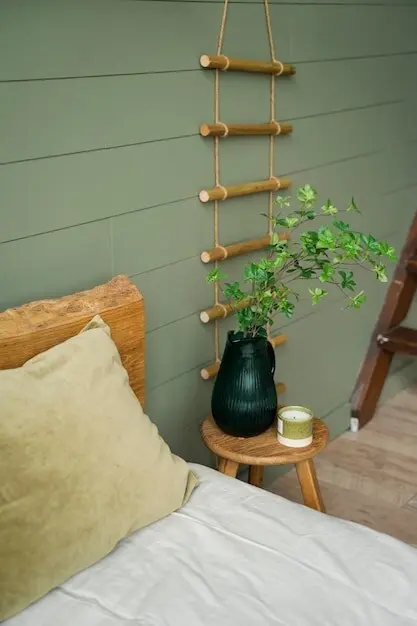
Today we explore Community Upcycling Showcases with Aftercare Standards for Shared Interior Spaces, championing collaborative creativity, responsible stewardship, and joyful, durable design. Discover how collective exhibits spark daily habits of repair, respectful use, and measurable maintenance, turning shared rooms into evolving stories.

From Discard to Display

Every neighborhood bin hides potential. Community showcases turn curbside fragments into furniture, fixtures, and art that invite conversation and respect. By pairing exhibits with clear use guidelines, check-in logs, and simple repair kits, displays become living classrooms where neighbors see, touch, borrow, and return with pride, sustaining beauty through everyday care.

Aftercare as a Community Ritual

Shared Standards, Clear Roles

Define who opens, closes, cleans, and repairs without overburdening any single person. Rotate responsibilities, publish a visible calendar, and log activity via a simple QR form. When everyone knows expectations and cadence, small tasks stay small, and assets keep serving without accumulating hidden damage.

Repair Rotations and Skill Swaps

Host short, cheerful clinics where neighbors learn to darn upholstery, level doors, or re-oil cutting boards. Pair novices with patient tinkerers, document each fix, and celebrate milestones. Skill exchanges reduce vendor costs, prevent downtime, and grow confidence that shared interiors can thrive through collective hands.

Cleaning Without Harsh Footprints

Choose plant-based soaps, reusable cloths, and measured dilution to protect finishes and lungs. Post a gentle protocol near sinks with icons and translations. By respecting materials and bodies, routine cleaning stops eroding surfaces, extends life between refurbishments, and keeps caregivers healthier for the long haul.

Designing for Shared Interiors

Spaces open to many hands need resilient elegance. Favor reversible fasteners, repairable textiles, and replaceable modules over glue-heavy, single-use construction. Add sacrificial surfaces where patina can evolve proudly. Anticipate spills, scuffs, and holidays, then specify solutions that age with grace instead of demanding delicate, unsustainable perfection.
Hardwax oils, wool felts, and powder-coated steel welcome repairs and patina, whereas brittle laminates often chip beyond remedy. Select fibers with high rub counts, woods with reversible finishes, and metals tolerant of touch. Publishing these choices teaches neighbors why longevity begins with informed, caring specification.
Design tables to expand, shelves to reconfigure, and seating to swap covers in minutes. Standardize screws and replacement parts across pieces to speed fixes. When components interchange, maintenance becomes quick, inventory becomes simpler, and showcases can adapt swiftly to events without generating new waste.
Color-coded screws, engraved maintenance symbols, and discreet access hatches invite timely tweaks. When service points are obvious and friendly, people intervene early rather than ignore emerging wobbles. Place micro-instructions under lids and seats, encouraging respectful curiosity that sustains reliability during festivals, meetings, and late-night study sessions.

Measuring What Matters

Beautiful stories deserve solid numbers. Track extended lifespans, repair cycle times, diverted tonnage, and volunteer hours to prove value and refine practice. Publish dashboards in hallways and newsletters so neighbors see progress, catch issues early, and feel ownership of the ongoing, cared-for transformation surrounding them.

Governance, Safety, and Inclusion

Shared interiors thrive when agreements are compassionate, safety checks are routine, and participation welcomes many bodies, languages, and ages. Build light-touch governance that empowers rather than polices, maintains clear accountability, and keeps repair knowledge accessible so no single gatekeeper controls the keys to continuity.

Consent and Clear Boundaries

Post borrowing rules, weight limits, and safe use notes in plain language near each piece. Invite feedback on where boundaries feel tight or loose. When consent is explicit and revisited, neighbors share confidently, caretakers rest easier, and damage reports become honest, timely, and blame-free.

Safety Checks and Documentation

Create seasonal checklists covering fasteners, finishes, and fire safety. Train volunteers to document with photos and short notes, then escalate when thresholds are crossed. Consistent, friendly documentation protects people first, assets second, and supports insurance conversations without panic or confusing last-minute scrambles.

Welcoming Many Hands

Translate labels, include braille where possible, and choose heights that welcome wheelchairs and children. Rotate showcase curation across cultures and generations to broaden authorship. When more neighbors can build and care, shared rooms become kinder, safer, and wonderfully more interesting to inhabit and remember.

Stories That Spread

Nothing travels faster than a good neighbor’s tale. Share before-and-after photos, maintenance victories, and funny mishaps that taught better care. Narratives humanize standards, reward quiet effort, and invite newcomers to contribute, proving that warmth and rigor can happily live side by side.
Mopuzozamixomepovulifepolu
Privacy Overview

This website uses cookies so that we can provide you with the best user experience possible. Cookie information is stored in your browser and performs functions such as recognising you when you return to our website and helping our team to understand which sections of the website you find most interesting and useful.