

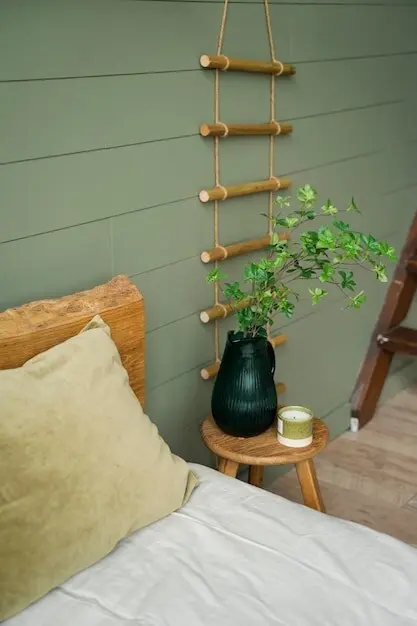
Homes That Tell Green Stories

Step inside a world where every chair, textile, and beam carries a memory, and stewardship guides every choice. Today we explore story-first eco interiors and furniture care, weaving personal history with responsible materials, enduring maintenance habits, and soulful design so spaces feel alive, repairable, and deeply yours. Join the conversation by sharing one object you cherish and why it deserves careful stewardship.

Start With Meaning, Design With Earth in Mind

Before a single cushion is chosen, listen for the stories you want your home to carry—travels, recipes, heirlooms, quiet mornings—and pair them with practices that lower waste, respect materials, and minimize toxins, so beauty grows from care, not excess.

Materials That Speak Softly and Last Longer

Choose materials with low embodied energy and honest origins, favoring reclaimed wood, cork, bamboo, clay plasters, wool, and linen. Trace supply chains, ask hard questions, and prioritize repairability, because the greenest object often is the well-loved piece you already own.

Reclaimed Wood and Salvage Finds

Salvaged beams, tabletops, and drawer pulls often arrive with nail marks and history that no factory can reproduce. Verify moisture content, treat for pests responsibly, and design joinery that respects irregularities, turning quirks into features while conserving forests and honoring builders who came before.

Natural Textiles and Plant-Based Dyes

Seek undyed or plant-dyed fibers like wool, linen, hemp, and organic cotton that breathe well, resist odors, and age with dignity. Favor reversible covers, replaceable cushions, and zipper access, enabling easy washing, long service life, and lower reliance on harsh detergents.

Low-VOC Finishes and Honest Adhesives

Ask for water-based finishes, low-VOC oils, casein paints, and solvent-free glues that protect lungs and keep indoor air calmer. Test a sample board, monitor curing time with ventilation, and avoid fragrances that mask off-gassing rather than solving underlying chemical exposure.

Care Rituals That Preserve Stories

Maintenance is memory made visible: a gentle brush on wood grain, a stitch that anchors a fraying seam, a beeswax rub that revives glow. Establish routines that prevent damage, extend warranties, and keep cherished pieces functional, safe, and ready for new chapters. Share your favorite care rituals or hard-won fixes so others can learn, and subscribe for monthly checklists that keep small efforts consistent.

Rooms as Chapters: Narratives by Space
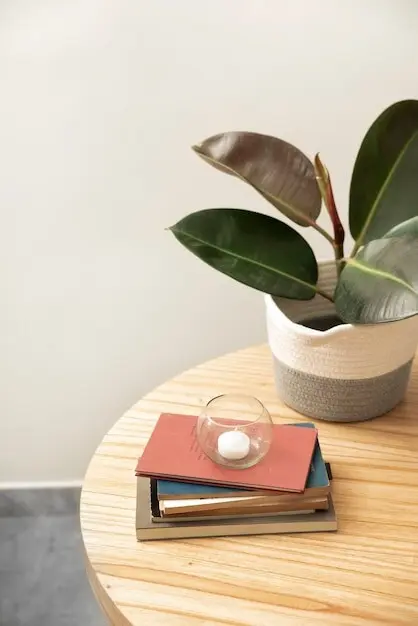
Connect function with feeling by shaping each room around a lived story—arrival, nourishment, rest—while safeguarding the planet through restraint and respect. Clear sightlines, breathable materials, and thoughtful storage compose scenes that welcome guests, support routines, and age gracefully without endless purchases.
Offer a bench with concealed storage, a washable rug, and a tray for keys crafted from reclaimed offcuts. Use low-VOC finishes where hands often touch, add a plant to catch dust, and post a gentle reminder to leave shoes, preserving floors and indoor air.
Display one meaningful cookbook, heirloom utensils, and jars of bulk staples to reduce packaging and highlight family flavors. Choose durable, inert surfaces, ventilate while cooking, compost scraps, and let a well-cared-for table host conversations that pass recipes, values, and laughter across generations.
Favor natural fiber bedding, blackout curtains that truly darken, and no devices near pillows. Oil squeaky hinges, mend loose buttons, and rotate mattresses. A small bowl for jewelry and a flavored memory like lavender create continuity between evenings, mornings, and unhurried dreams.

Circular Sourcing and Conscious Upgrades

Treat acquisitions as long-term collaborators rather than fleeting decor. Seek secondhand first, verify certifications when buying new, and design for repair. When an upgrade is necessary, choose modular pieces and parts availability, keeping materials in circulation and budgets grounded in wisdom. Tell us about your best secondhand score and the maker you admire most; your recommendations help our community source smarter.

01

Certifications, Labels, and What They Really Mean

Look for FSC wood, OEKO-TEX or GOTS textiles, Greenguard or equivalent emissions testing, and transparent supply chains. Certifications are not perfection, yet they guide due diligence, encourage better practices, and help you compare options without relying on marketing gloss or vague claims.

02

Thrifting, Swapping, and Repair Cafés

Visit community shops and maker meetups where volunteers teach mending, gluing, and safe tool use. Trading within your neighborhood builds provenance, reduces shipping emissions, and turns furnishings into shared stories, while small repairs rescue character pieces from landfill and spark satisfying creativity.

03

Commissioning Local Makers

Collaborate with nearby carpenters, upholsterers, and metalworkers who understand climate, materials, and cultural references unique to your region. Shorter supply lines, repair-friendly construction, and face-to-face accountability deepen trust, reduce risk, and produce heirloom-quality items tailored to your life’s unfolding narrative.

Biophilia Beyond Fads

Introduce greenery with purpose—snake plant for resilience, pothos for forgiving growth, and native species for biodiversity. Pair terracotta with breathable soils, use saucers to protect surfaces, and schedule watering with your calendar, turning plant care into grounding pauses that renew attention.

Daylight, Shade, and Circadian Rhythm

Layer sheers, reflective surfaces, and adjustable blinds to invite morning light while managing glare. In evenings, warm bulbs with lower intensity support melatonin, while task lights target work zones. Such tuning reduces fatigue, saves energy, and sustains comforting routines across changing weather.
Mopuzozamixomepovulifepolu
Privacy Overview

This website uses cookies so that we can provide you with the best user experience possible. Cookie information is stored in your browser and performs functions such as recognising you when you return to our website and helping our team to understand which sections of the website you find most interesting and useful.